skip to main
|
skip to sidebar
Sunday, March 23, 2014
San Jose #thedailysketch
San Jose #thedailysketch
Originally uploaded by
bernd blacha
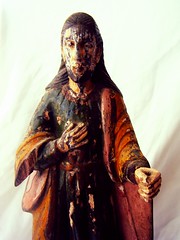
A beautiful ink sketch by Bernd Blacha based on a Filipino santo of San Jose in my collection.
Wednesday, March 19, 2014
San Jose
San Jose
Originally uploaded by
bleak!
19th century.
Filipino
Thursday, March 13, 2014
Santiago Matamoros
Santiago Matamoros
Originally uploaded by
bleak!
Tuesday, March 4, 2014
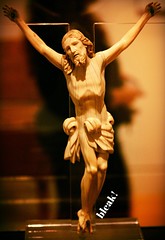
Santo Cristo
Santo Cristo
Originally uploaded by
bleak!
Sunday, February 16, 2014
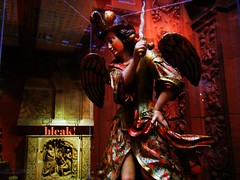
San Miguel Arcangel
San Miguel Arcangel
Originally uploaded by
bleak!
Wednesday, February 12, 2014
La Roldana's "Death of the Magdalene"
La Roldana's "Death of the Magdalene"
Originally uploaded by
bleak!
Sunday, January 26, 2014
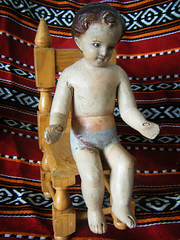
Nino Jesus
Nino Jesus
Originally uploaded by
bleak!
Older Posts
Subscribe to:
Posts (Atom)
Ecrater
Clickety-Click
Ecrater
Flickr
Etsy Store
About Me
bleak
stuck in purgatory.
View my complete profile
Blog Archive
▼
2014
(10)
▼
March
(4)
San Jose #thedailysketch
San Jose
Santiago Matamoros
Santo Cristo
►
February
(2)
►
January
(4)
►
2013
(33)
►
December
(6)
►
November
(2)
►
October
(1)
►
September
(1)
►
August
(1)
►
July
(9)
►
June
(6)
►
March
(3)
►
January
(4)
►
2012
(28)
►
December
(10)
►
November
(7)
►
October
(2)
►
September
(9)
►
2011
(37)
►
December
(2)
►
November
(4)
►
October
(4)
►
September
(4)
►
August
(3)
►
July
(4)
►
June
(3)
►
May
(1)
►
April
(2)
►
March
(7)
►
February
(2)
►
January
(1)
►
2010
(28)
►
November
(5)
►
October
(3)
►
September
(2)
►
August
(8)
►
July
(1)
►
June
(9)
►
2009
(21)
►
November
(4)
►
October
(1)
►
September
(1)
►
August
(2)
►
July
(2)
►
June
(6)
►
May
(3)
►
April
(1)
►
March
(1)
Labels
Antiques
(3)
Art Theft
(1)
artworks
(15)
curio cabinet
(6)
ecrater
(11)
Etsy
(8)
Exhibits and Shows
(1)
Filipiniana
(15)
Finds
(1)
Greetings from Purgatory
(9)
Lost Art
(3)
Nativity Sets
(25)
Personal
(2)
Philippine History
(5)
Philippine Literature
(3)
Retablos
(3)
saints
(10)
santos
(15)
scrapbook
(8)
Simbahan: Philippine Churches
(9)
Snapshots of Houston
(7)
spanish colonial
(4)
Search This Blog
Followers
My Blog List
Akyat-Bahay Gangster
CXLV: GIVE ART ON CHRISTMAS DAY 2024
5 months ago
VIEWS FROM THE PAMPANG
451. ACHARA ART: Relishing our Artistic Pickling Tradition
6 months ago
AND ALL THE ANGELS AND SAINTS
335. SANTOS FROM THE MUSEUM OF THE INCARNATION
5 years ago
A FLY AND A FLEA
386. Meeting my Match: HULK HOGAN 16' VINYL TOY, 1984
7 years ago
The Philippines And Then Some
Big Improvements in Government Services
11 years ago
coz im always the second choice
Viva, San Roque!
13 years ago
Undesirable Number One
Etsy